How to Make Family Meal Planning A Habit
Everyone is hungry, and your brain feels lit it’s running low. You open the fridge, see a half a bag of spinach and a sad pack of chicken, then someone asks what’s for dinner? Like you’ve been quietly planning it all day, If family meal planning feels like one more chore for busy parents, you are not alone.

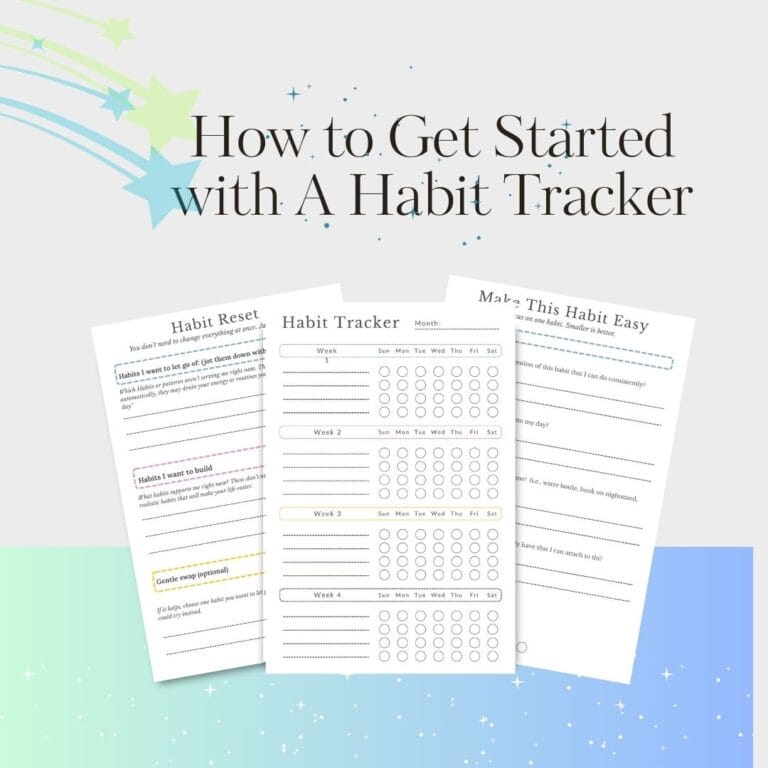
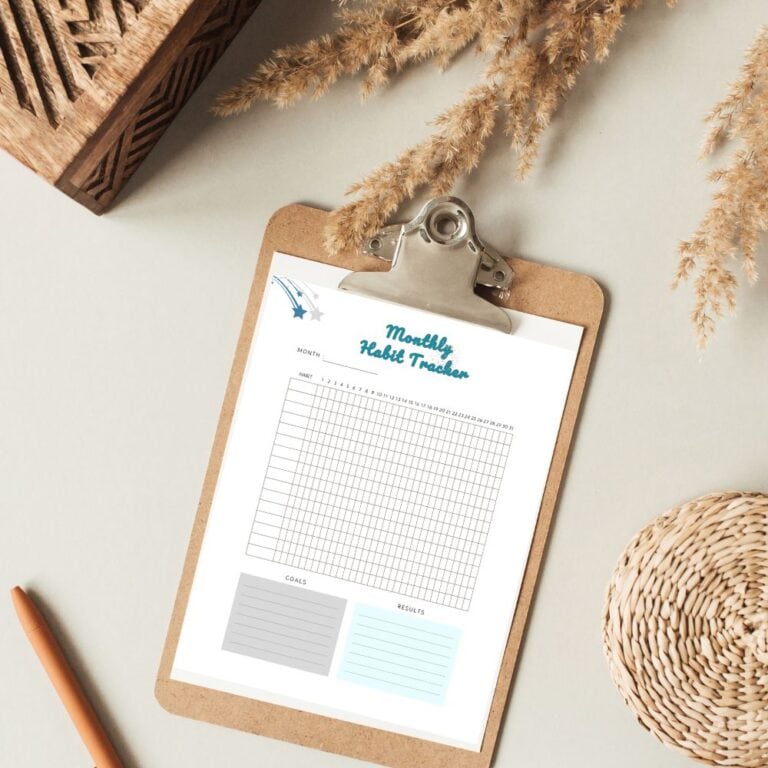
If planning dinner seems like a struggle every night, I have some true tips that will help you turn meal planning into a repeatable system and a weekly meal plan that becomes a habit. Less stress, fewer grocery shopping runs, lower food waste with pantry staples, and more money staying in your pocket by managing your food budget. It also ends with a simple habit tracker idea you can use right away.
Key Takeaways
- Family meal planning works best as a small weekly routine, not a perfect plan with seven new dinners.
- Plan 3 dinners, add 1 dinner with leftovers, keep an easy back-up meal to prevent takeout emergencies.
- Pick one planning day and a 15-minute timer, then tie it into an existing habit (coffee, online grocery order or breakfast)
- Use a repeatable template (theme nights, 2 new and 2 repeats)
- Keep the meal plan visible and swap when plans change.
Why Family Meal Planning is Worth it (even if you don’t like to plan)
Meal planning can have a bad rap. People picture color-coded charts, a new recipe every night, and a Sunday afternoon swallowed up by favorite cookbooks and scrolling for recipe ideas. That’s too much work!
Meal planning can be small and still work. Think of it like putting your keys in the same spot each day. You are not “organizing your whole life,” you’re just saving yourself from the nightly what’s for dinner stress. The biggest win is that it takes less pressure off your brain and fights decision fatigue. Instead of solving dinner from scratch every day, you make a few choices, then let those decisions roll all week long.
It also makes grocery shopping cleaner. When you know you will use that bell pepper on Tuesday and the rest on Friday, you are less likely to toss it in the cart just in case, but it will have a purpose, which isn’t watching it wrinkle in the crisper.
And yes, the habit matters as much as the plan. A perfect plan you never repeat is useless. A simple plan you do most weeks changes everything.

The Real-Life Benefits: Less Stress, Less Waste, More Money Saved
When meal planning becomes a habit, a few good things start to fall into place:
- Fewer last-minute takeout nights – You still might order pizza, but it’s a planned choice, not a rescue mission.
- Less food waste – You use up veggies before they go bad, like putting leftover broccoli into a stir-fry instead of tossing it on trash day.
- Lower grocery bills – Buying only what you need is boring, but your bank account loves it.
- Smoother weeknights – You know what’s for dinner, and you already have the stuff.
What Usually Breaks the Meal Planning Habit (and how to avoid it)
Most meal planning fails for a few reasons:
- Planning too many new recipes – New recipes take more time and mental energy. Fix: keep it to no more than new recipes a week or none during busy seasons.
- No set time to plan – If “it’s whenever,” it becomes “never.” Fix: pick one day and a 15-minute window. Sundays or the day before food shopping are good times.
- Forgetting what you already have – Then you buy duplicates, and things go bad. Fix: Check the refrigerator and freezer first before planning.
- Schedules change – That’s normal. Fix: build in a swap night so meals can trade places.
- No backup plan – One late meeting and the whole week collapses. Fix: keep two quick dinners ready at all times. Hello, pantry staples.
Build the Habit: A Simple Weekly Meal Planning Routine that Sticks
If meal planning feels like work, it won’t last. Start with the routine below each week and it will soon become a habit. Give it a few weeks, and it starts to run on autopilot. Add meal planning to your habit tracker to keep things going.
Start Small: Plan Just 3 Dinners, then Grow from There
If you are starting from zero, don’t plan seven dinners. That’s a sure path to overwhelm. Try this simple setup for your weeknight dinners:
- 3 planned dinners which are your anchors
- 1 leftover night – use what’s already cooked
- 1 easy backup meal – no thinking required
Here are some easy backup meal ideas that will save the day:
- Tacos or taco bowls: Ground meat, beans, or scrambled eggs all work.
- One-pan meals: Chicken, veggies, and pantry staples in one skillet.
- Slow cooker: Dump in ingredients before work, done by dinner.
- Breakfast for dinner: Eggs, toast, fruit, and maybe bacon.
- Pasta + frozen veg: Toss in peas or spinach, add sauce, done.
Pick one planning day and time, then attach it to an existing routine
Habits stick better when they are attached to something you already do. This is simple “habit stacking.” You connect the new habit to an old one, like hooking a train car to an engine.
Here are a few good habits to pair meal planning with:
- Sunday coffee
- Right before writing your grocery list
- Plan right after breakfast, while the kitchen is quiet
Keeping the same time each week (a habit) helps because it eliminates one less thing to think about.

Make it Easy: Use a Template Instead of Starting from Scratch
Starting from scratch every week can become a chore, but a template, like a meal planning sheet can make it easier so it becomes a habit. Here are a few ideas to turn your meal plan into a template:
- Theme nights – Taco Tuesday, pasta night, soup night, breakfast night.
- 2 new, 2 repeats – Two meals you already know and two fresh ideas.
- Cook for leftovers – Make more than you plan to eat on purpose and plan for repurposed leftovers.
Keep a list of 10 to 15 go-to recipes. That list is gold on tired weeks. Add healthy recipes to it slowly.
Also, plan for ingredient overlap to cut waste. Example: buy spinach once, use it three ways: pasta night, egg scramble night, and wraps for lunch. Same bag, no leftovers.
Use Reminders that Work: Visual Cues, or Phone Alerts
Reminders work best where decisions happen. If you only store your plan in your head, it’ll vanish by Tuesday.
Pick one “plan spot”:
- A whiteboard on the fridge
- A paper pad in the junk drawer (the one you actually open)
- A notes app pinned to your home screen
- A calendar reminder that repeats weekly
If you order groceries online, put the reminder where you sit with your laptop. If you cook from the fridge, put the plan on the fridge. Make the cue impossible to miss.
Keep it Flexible: Plan for Busy Nights, Busy Nights, Leftovers and a Free Choice Meal
Rigid plans break. Flexible plans survive.
Try assigning meals to a loose order:
- Early week: 2 quick meals (15 to 25 minutes)
- Midweek: leftovers night or freezer meal
- Weekend: the longer cook, if you want one
- One free choice meal: you decide later (or plan for takeout)
Use one rule that protects the habit: If plans change, swap meals, don’t scrap the plan. Moving Tuesday’s meal to Thursday still counts. You’re not failing, you’re adjusting, and keep going.